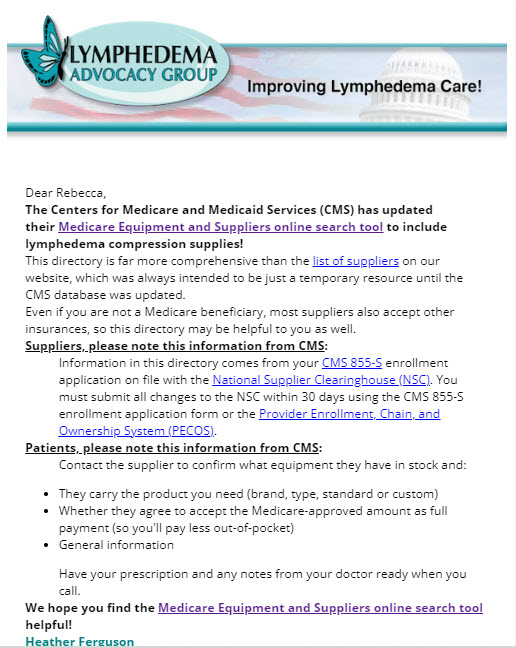
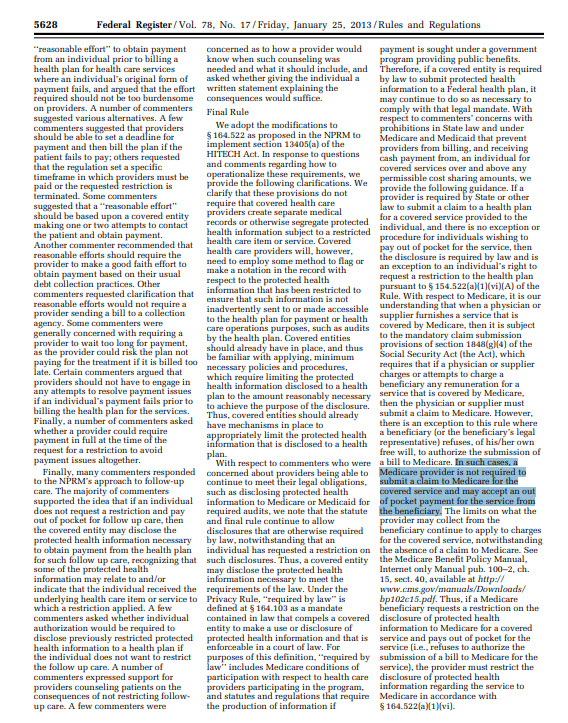
Last month, we discussed helpful resources for staying up to date on compression coverage and billing related to Medicare. This month, we’re shifting focus to other types of insurance payers.
Understanding Other Payers
Insurance providers such as Medicare Advantage plans and commercial insurers (like Blue Cross Blue Shield) have their own policies regarding compression coverage. Because these policies can vary, it’s important to understand a few key factors before moving forward:
- Is prior authorization required?
- What is the medical policy for lymphedema compression?
- Are there specific clinical payment or coding guidelines?
Key Terms to Know
Prior Authorization (“Prior Auth”) is approval from your insurance plan for a specific item or service before it’s provided. In most cases, the durable medical equipment (DME) company supplying your compression garments will handle this process. However, you should still confirm:
- Whether the DME company is in-network or out-of-network (this can affect your out-of-pocket cost)
- Whether prior authorization is required under your specific plan

You may also want to call your insurance company directly using the customer service number on the back of your insurance card to verify if prior authorization is required. If you do call, request a call reference number for your records.
How to Research Coverage
When reviewing coverage details on an insurer’s website, use these specific search terms to find accurate information:
1. Medical Policy. This outlines what the insurer considers medically necessary, including:
- Eligibility criteria
- Diagnosis codes
- Required documentation
- Coverage limitations
2. Clinical Payment/Coding Guidelines (CPCG). These explain how services and items should be billed, including:
- HCPCS/CPT codes
- Quantity or frequency limits
- Rules for custom vs. off-the-shelf garments
- Distinctions between DME and supplies
For example, if you’re insured through Blue Cross Blue Shield of Texas, try:
- “BCBS TX medical policy lymphedema 2025”
- “BCBS TX clinical payment coding guidelines compression therapy 2025”
Tip: Always include the current year in your search to ensure you’re reviewing the most up-to-date policies, as coverage rules can change annually.

Important Cost Considerations
Beyond coverage rules, it’s essential to understand your financial responsibility:
- Deductible: Do you have a deductible for DME? If so, how much have you met this year?
- Co-insurance: What percentage of the cost are you responsible for after meeting your deductible?
Final Notes
Your doctor will need to provide:
- A signed order (prescription) for the compression item
- Supporting clinical documentation (such as therapy notes)
While the DME company typically handles most of the paperwork and coordination, understanding the process ahead of time can help you avoid surprises and feel more confident navigating your coverage.