Cart |  Login

Lymphedema Therapy Source


  • About
    • Founder
    • Awards
  • Services
    • Patients
      • Insurance
      • FAQS
    • Healthcare Professionals
      • Clinics and Hospitals
      • Physicians
        • Manual Lymphatic Drainage (MLD)
        • Indications for Treatment
        • Research
      • Home Health Agencies
  • Learn
    • Before and After Photos
  • News
  • e-Shop

August 1, 2026 By Rebecca Summers, OT, CLT-LANA, CSR

A-Fib and Swelling

There are many reasons for swelling—and not all of them are lymphedema. For example, did you know that atrial fibrillation (A-Fib) can sometimes lead to swelling? It can—but usually indirectly. A-Fib is one form of an irregular heart rhythm that can reduce how efficiently the heart pumps blood. In some people, especially those with underlying heart disease, this can contribute to fluid retention. In addition, some medications used to treat heart conditions can also cause swelling.

What is A-Fib

Atrial fibrillation (A-Fib) is the most common sustained abnormal heart rhythm. It begins in the heart’s upper chambers (the atria), most often in or near the left atrium around the openings of the pulmonary veins. Instead of contracting in a coordinated way, the atria quiver (fibrillate). This causes irregular electrical signals to reach the lower chambers (the ventricles), resulting in an irregular—and sometimes rapid—heartbeat.

Common symptoms include:

  • Swelling
  • Heart palpitations
  • Fatigue
  • Shortness of breath
  • Dizziness
  • Reduced exercise tolerance

The abnormal electrical activity most commonly starts in or near the left atrium, often around the openings of the pulmonary veins.

How Swelling Can Occur

While most people never get swelling, fluid retention can occur for several reasons:

  1. Reduced pumping efficiency. During A-Fib, the atria don’t squeeze effectively. This can reduce how efficiently the heart fills and pumps blood, especially if the heart is already weakened.
  2. Heart failure can develop or worsen. If A-Fib is very fast or persists for a long time, the heart muscle can become less effective. When the heart can’t pump blood efficiently, fluid can back up in the body.
  3. Fluid backs up in the veins. When blood backs up, pressure in the veins increases. Fluid leaks from the blood vessels into surrounding tissues, causing edema (swelling).

Where Swelling is Seen

If the right side of the heart is affected—or if there is heart failure overall—fluid commonly collects in the legs, ankles, and feet. If the left side of the heart is affected, fluid is more likely to build up in the lungs, leading to shortness of breath rather than noticeable leg swelling.

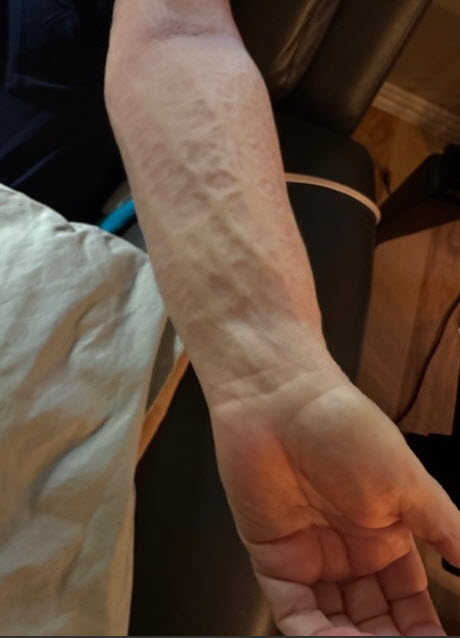
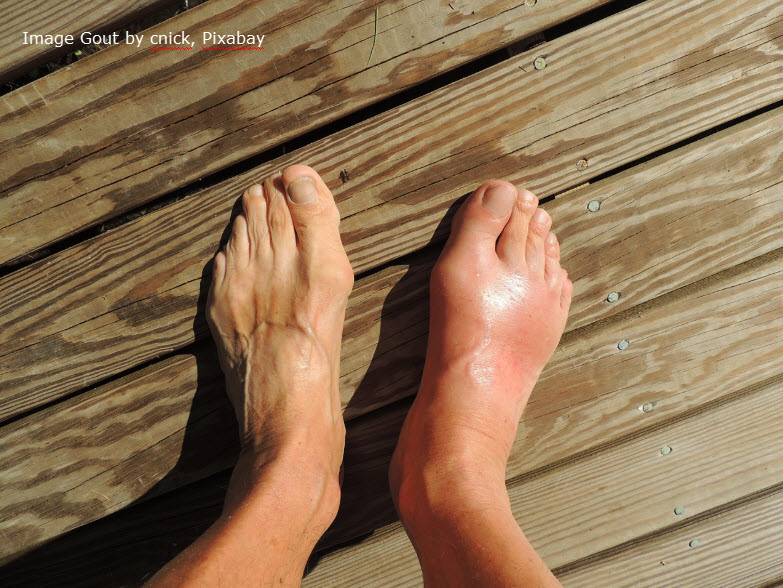
This patient had leg & ankle swelling due to A-Fib and heart failure. They admitted to the hospital and had 12 pounds of “water weight” removed.

A few months later, swelling had reoccurred, but most resolved with medication change(s).

Who is most likely to develop swelling?

Swelling is more likely when AFib occurs along with:

  • Heart failure
  • Long-standing high blood pressure
  • Heart valve disease
  • Kidney disease
  • Certain medications

For example, calcium channel blockers such as diltiazem (Cardizem) and verapamil can cause swelling of the feet and ankles. These medications relax blood vessels, which can allow more fluid to move from the bloodstream into surrounding tissues. This type of swelling is a medication side effect and is different from swelling caused by heart failure.

Filed Under: Blog Tagged With: afib, atrial fib, lymphedema, swelling

July 1, 2026 By Rebecca Summers, OT, CLT-LANA, CSR

Rethinking MLD Pressure (part 2)

Last month, we started a discussion about MLD pressure. Foldi always taught light pressure. Newer research indicates lymph vessels aren’t occluded until 86 mmHg. We’re continuing that topic this month.

Why This Does Not Mean “Deeper Pressure Is Better”

One of the most important conclusions from the study is often overlooked:

The researchers specifically noted that manual lymph drainage pressures applied by the hand are typically under 10 mm Hg, which remains well below lymphatic occlusion thresholds. (Sage Journals)

That matters because MLD is not intended to “force fluid through pipes.” Instead, it works by:

  • stimulating lymphatic vessel activity,
  • improving lymphangion filling,
  • enhancing rerouting through collateral pathways,
  • and supporting natural lymphatic pumping.

The study supports the idea that properly performed gentle MLD does not collapse lymphatics. In other words, Foldi’s gentle-pressure philosophy remains physiologically sound.

The Difference Between Compression and MLD

The study also helps clarify confusion between:

  • manual lymph drainage pressure, and
  • compression therapy pressure.

Compression garments and pneumatic compression devices may use substantially higher pressures than hands-on MLD. The researchers warned that if compression pressures exceed lymphatic occlusion pressure, collectors and initial lymphatics could temporarily collapse during inflation phases. (Sage Journals)

This distinction is critical in clinical practice.

Foldi-based Complete Decongestive Therapy (CDT) has always emphasized that:

  1. MLD prepares and stimulates lymphatic pathways,
  2. compression maintains fluid reduction,
  3. exercise activates the muscle and lymphatic pumps,
  4. and skin care protects vulnerable tissues.

The therapies work together — but they do not work the same way.

What This Means for Therapists Today

The 2016 findings encourage a more evidence-based discussion around lymphatic pressure without abandoning traditional lymphology principles.

For certified lymphedema therapists, the takeaway is not to use heavier pressure. Instead, the study reinforces several clinical ideas:

1. Gentle Pressure Can Still Be Effective – MLD does not require deep force to stimulate lymphatic transport.

2. Vessel Filling Matters – Lymphatic flow is intermittent. Proper sequencing and preparation techniques — central clearing, proximal-to-distal preparation, and rhythmic repetition — may improve lymphatic filling and flow.

3. Precision Matters More Than Intensity – Direction, sequencing, stretch, and rhythm likely influence outcomes more than raw pressure.

4. Compression Must Be Individualized – Higher pressure is not automatically better, especially in compromised or fibrotic tissues.

Modern Imaging Is Validating Traditional Lymphology

One of the most fascinating aspects of this research is how modern imaging technology is beginning to visually confirm concepts long taught in Foldi-based education.

The lymphatic system is dynamic, contractile, and responsive — not passive.

Near-infrared fluorescence imaging allows researchers to watch lymphangions contract and observe fluid movement in real time, offering a new scientific window into therapies that were previously understood mostly through clinical outcomes and practitioner experience. (Sage Journals)

As lymphatic science evolves, the future of lymphedema care will likely combine:

  • traditional clinical wisdom,
  • advanced imaging,
  • individualized pressure strategies,
  • and deeper understanding of lymphatic biomechanics.

The Foldi principles are not being replaced. They are being explained more clearly than ever before.

References
1 Foldi, M, Foldi, E. (2006). Foldi’s Textbook of Lymphology (2nd ed.), p. 526. Germany: Urban and Fisher.
2 Belgrado, J.-P., Vandermeeren, L., Vankerckhove, S., Valsamis, J.-B., Malloizel-Delaunay, J., Moraine, J.-J., & Liebens, F. (2016). Near-infrared fluorescence lymphatic imaging to reconsider occlusion pressure of superficial lymphatic collectors in upper extremities of healthy volunteers. Lymphatic Research and Biology, 14(2), 70–77. https://doi.org/10.1089/lrb.2015.0040

Filed Under: Blog, MLD Tagged With: compression, manual lymph drainage, mld pressure

June 1, 2026 By Rebecca Summers, OT, CLT-LANA, CSR

Rethinking MLD Pressure (part 1)

What Foldi’s Principles and New Lymphatic Research Tell Us

For decades, manual lymph drainage (MLD) has been guided by one central principle from the Foldi school of lymphedema treatment: lymphatic vessels are delicate, superficial, and highly responsive to pressure.1 Therapists are taught to use slow, rhythmic, skin-stretching movements rather than deep tissue force. Now, modern imaging research is helping explain why that approach works — and where MLD pressure thresholds may actually lie.

A landmark 2016 study published in Lymphatic Research and Biology used near-infrared fluorescence lymphatic imaging (NIRFLI) to directly observe lymphatic flow in real time.2 The researchers discovered that superficial lymphatic collectors tolerated much higher occlusion pressures than previously believed, with an average occlusion pressure of approximately 86 mm Hg in healthy subjects. (Sage Journals). At first glance, that finding may seem to contradict traditional Foldi-based MLD concepts emphasizing gentleness in applying MLD pressure. In reality, the research actually reinforces many of Foldi’s core principles.

The Foldi Philosophy: Pressure Is Not the Goal

The Foldi method, developed by Michael Földi and Ethel Földi, teaches that successful lymphatic treatment depends on:

  • stimulating superficial lymphatic vessels,
  • encouraging lymphangion contraction,
  • reducing tissue congestion,
  • and redirecting fluid toward healthy drainage territories.

The emphasis has always been on precision over force.

Traditional Foldi training warns against aggressive massage because excessive pressure may:

  • collapse superficial lymphatics,
  • increase capillary filtration,
  • irritate tissues,
  • or worsen inflammation and fibrosis.

The 2016 NIRFLI study adds important nuance to this understanding.

What the 2016 Study Actually Found

Researchers observed lymph flow in healthy volunteers using fluorescent imaging while gradually increasing pressure with a transparent cuff. They combined this with a specialized MLD approach called the “Fill & Flush Drainage Method” to keep lymphatic vessels actively filled during testing. (Sage Journals)

Their findings included:

  • Mean lymphatic occlusion pressure: 86 mm Hg
  • No significant differences between age, gender, or side of the body
  • Previous studies may have underestimated occlusion pressure due to imaging limitations and insufficient vessel filling during testing (Sage Journals)

Earlier estimates had suggested lymphatic occlusion occurred around 24–40 mm Hg. This new research challenged that assumption. (Sage Journals)

This doesn’t mean deeper or more pressure is better. Find out why in the next blog…

References
1 Foldi, M, Foldi, E. (2006). Foldi’s Textbook of Lymphology (2nd ed.), p. 526. Germany: Urban and Fisher.
2 Belgrado, J.-P., Vandermeeren, L., Vankerckhove, S., Valsamis, J.-B., Malloizel-Delaunay, J., Moraine, J.-J., & Liebens, F. (2016). Near-infrared fluorescence lymphatic imaging to reconsider occlusion pressure of superficial lymphatic collectors in upper extremities of healthy volunteers. Lymphatic Research and Biology, 14(2), 70–77. https://doi.org/10.1089/lrb.2015.0040

Filed Under: Blog, MLD Tagged With: lymphedema massage, lymphedema treatment, manual lymph drainage, manual lymph drainage pressure, mld pressure

May 1, 2026 By Rebecca Summers, OT, CLT-LANA, CSR

What’s Needed for Insurance Coverage of Compression

Over the past couple of months, we’ve discussed staying up to date with Medicare coverage of compression following the passage of the Lymphedema Treatment Act, as well as how to determine coverage from other payers, like commercial or Medicare Advantage plans. Once you know what your plan covers, the next step is understanding what’s needed to submit a valid claim. Fortunately, these requirements are fairly consistent across Medicare and other insurance providers.

The Script: Your Doctor’s Order2

A script is simply a doctor’s order for your compression garments or therapy services. Usually, either your DME (durable medical equipment) supplier or your therapist will send this to your doctor for signature.

A valid script must include:

  • Your name (as the patient) and date of birth
  • Your insurance member ID
  • Diagnosis code
  • Ordering doctor’s name, signature, and date
  • Doctor’s NPI (National Provider Identifier) used for billing
  • The specific item needed, including strength if applicable, and any non-standard accessories
  • Quantity of items
  • Laterality (which side—left or right)

How often the item(s) should be dispensed.

The Item Needed – Billing Codes

Insurance pays for your therapy services or compression garment based on codes.

For services, CPT codes (current procedural terminology codes) are used. For example, in lymphedema, when your therapist does an evaluation (i.e. a service), a code like 97165 may be used (for occupational therapists) or 97161 (for a physical therapist). If education is provided, 97535 may be used.

For compression garments (supplies or products), HCPCS codes1 (Healthcare Common Procedure Coding System codes) are used. For example. A knee-high hose (not custom) with a strength level of 30-40 mmHg & a silicone band to prevent slipping is known as:

  • A6552 – GRADIENT COMPRESSION STOCKING, BELOW KNEE, 30-40 MMHG, EACH
  • A6593 – ACCESSORY FOR GRADIENT COMPRESSION GARMENT OR WRAP WITH ADJUSTABLE STRAPS, NOT-OTHERWISE SPECIFIED.

Supporting Evidence

Insurance typically requires documentation to support your claim. Examples include:

  • Therapy notes: Usually an evaluation and at least one daily visit note

Having the proper script, correct billing codes, and supporting documentation makes it much more likely your claim will be approved.

References
1 Lymphedema Compression Treatment Items – Correct Coding and Billing – Revised
2 Supplier Manual – Chapter 3 Supplier Documentation
3 SWOs – Article Detail – JA DME – Noridian


Filed Under: Blog

April 1, 2026 By Rebecca Summers, OT, CLT-LANA, CSR

Pre-Steps to Ensure Coverage of Compression

Last month, we discussed helpful resources for staying up to date on compression coverage and billing related to Medicare. This month, we’re shifting focus to other types of insurance payers.

Understanding Other Payers

Insurance providers such as Medicare Advantage plans and commercial insurers (like Blue Cross Blue Shield) have their own policies regarding compression coverage. Because these policies can vary, it’s important to understand a few key factors before moving forward:

  • Is prior authorization required?
  • What is the medical policy for lymphedema compression?
  • Are there specific clinical payment or coding guidelines?

Key Terms to Know

Prior Authorization (“Prior Auth”) is approval from your insurance plan for a specific item or service before it’s provided. In most cases, the durable medical equipment (DME) company supplying your compression garments will handle this process. However, you should still confirm:

  • Whether the DME company is in-network or out-of-network (this can affect your out-of-pocket cost)
  • Whether prior authorization is required under your specific plan

You may also want to call your insurance company directly using the customer service number on the back of your insurance card to verify if prior authorization is required. If you do call, request a call reference number for your records.

How to Research Coverage

When reviewing coverage details on an insurer’s website, use these specific search terms to find accurate information:

1. Medical Policy. This outlines what the insurer considers medically necessary, including:

  • Eligibility criteria
  • Diagnosis codes
  • Required documentation
  • Coverage limitations

2. Clinical Payment/Coding Guidelines (CPCG). These explain how services and items should be billed, including:

  • HCPCS/CPT codes
  • Quantity or frequency limits
  • Rules for custom vs. off-the-shelf garments
  • Distinctions between DME and supplies

For example, if you’re insured through Blue Cross Blue Shield of Texas, try:

  • “BCBS TX medical policy lymphedema 2025”
  • “BCBS TX clinical payment coding guidelines compression therapy 2025”

Tip: Always include the current year in your search to ensure you’re reviewing the most up-to-date policies, as coverage rules can change annually.

Important Cost Considerations

Beyond coverage rules, it’s essential to understand your financial responsibility:

  • Deductible: Do you have a deductible for DME? If so, how much have you met this year?
  • Co-insurance: What percentage of the cost are you responsible for after meeting your deductible?

Final Notes

Your doctor will need to provide:

  • A signed order (prescription) for the compression item
  • Supporting clinical documentation (such as therapy notes)

While the DME company typically handles most of the paperwork and coordination, understanding the process ahead of time can help you avoid surprises and feel more confident navigating your coverage.

Filed Under: Billing, Blog Tagged With: compression coverage, compression sleeve coverage, garment coverage, hose coverage, insurance coverage, lymphedema compression

March 10, 2026 By Rebecca Summers, OT, CLT-LANA, CSR

Staying Up-To-Date with Insurance Coverage for Compression

Staying informed about insurance rule changes related to the Lymphedema Treatment Act is essential for both patients and providers. Since the law’s implementation under Centers for Medicare & Medicaid Services Medicare Part B in 2024, updates to coverage guidelines, billing requirements, and documentation standards continue to evolve. Keeping up with these changes helps ensure patients receive the compression garments and supplies they need without unnecessary delays or coverage issues.

Lymphedema Treatment Act Summary

For years, individuals living with lymphedema struggled to get Medicare coverage for compression garments and related supplies. Sometimes patients couldn’t afford to buy the necessary items to maintain volume loss in therapy, or they had to substitute with substandard items. Lymphedema Treatment Act (LTA) changed that.

The Lymphedema Treatment Act is a federal law that requires Medicare to cover compression garments and other lymphedema treatment supplies when they are prescribed by a physician for a patient diagnosed with lymphedema and documentation supports medical necessity.

A new category for lymphedema compression was created (instead of being classified as standard “durable medical equipment”). The law was passed by Congress on December 23, 2022 (as part of the Consolidated Appropriations Act of 2023) after more than a decade of patient advocacy and legislative effort. It went into effect January 1, 2024.

What’s Covered

Medicare Part B now covers off-the-shelf and custom-fitted compression garments, wraps, bandaging systems, and accessories used for treating lymphedema — including donning and doffing aids, padding, fillers, linings, and zippers.1,2

  • Coverage includes frequency guidelines such as three daytime garments every six months and two nighttime garments every two years per affected body part.
  • Coverage only applies to items prescribed for diagnosed lymphedema and requires adherence to Medicare’s documentation and billing rules.

A person must have a diagnosis of:

  • I89.0 – Lymphedema, not elsewhere classified
  • I97.2 – Postmastectomy lymphedema syndrome
  • I97.89 – Other postprocedural complications and disorders of the circulatory system, not elsewhere classified
  • Q82.0 – Hereditary lymphedema

Where to Get Compression Garments

You must purchase compression from a Medicare supplier. Therapists & therapy clinics can be suppliers, but they must go through the credentialing process as a Durable Medical Equipment supplier (i.e. have a state DME license, additional DME insurance, etc.) & meet supplier standards. (Lymphedema Therapy Source is a DME supplier for our patients.)

Staying Informed

There are changes and updates to this federal law. Below are a couple of good sites to follow to stay informed about those changes:

  1. Compression Alliance Video on Billing Updates: US Medical Compression Alliance
  2. Lymphedema Advocacy Group: https://lymphedemaadvocacygroup.org/

The U.S. Medical Compression Alliance (USMCA) is an industry coalition of medical device manufacturers that focuses on improving care and access to medical compression therapy for patients with venous and lymphatic diseases (such as lymphedema and chronic venous insufficiency).

Conclusion

The Lymphedema Treatment Act didn’t just change a policy — it changed lives. It means that patients can now get the compression supplies they need without prohibitive out-of-pocket costs. And because Medicare often sets the standard that private insurers follow, this law has the potential to widen coverage across many plans, expanding access even beyond Medicare beneficiaries.

References
1 https://lymphedemaadvocacygroup.org/lta-coverage-rules
2 https://www.cgsmedicare.com/jc/pubs/news/2023/12/cope147943.html

Filed Under: Billing, Blog, Lymphedema Maintenance Tagged With: compression, DME, durable medical equipement, insurance coverage, lymphedema garment, lymphedema hose, lymphedema sleeve

February 6, 2026 By Rebecca Summers, OT, CLT-LANA, CSR

Using Your Voice

This month’s blog is dedicated to advocacy for providers.

Most people dealing with lymphedema aren’t aware of the behind-the-scenes challenges providers face when it comes to providing care. The administrative burden to small practices like mine is immense.

Lymphedema Treatment Act

In past blogs, I’ve brought attention to the Lymphedema Treatment Act (LTA) in blog posts: Oct-Dec 2023 & Feb-March 2024. After over a decade of struggles, the LTA was finally passed. As a result, Medicare now pays for lymphedema compression & treatment supplies. (Such costs were a huge barrier for many patients.) This time, I’m bringing attention to a related topic impacting providers.

Provider Impact

When patients are looking for providers, they generally seek providers in-network (providers who contract with their insurance plan to accept payment as opposed to out of network providers who may accept their insurance plan but don’t accept their payment as payment in full). Finding an in-network provider means lower cost for the patient. But it also means lower payment to the provider. In addition, providers are always paid for all services provided. While this may not be an immediate concern for patients who don’t feel the financial burden, it will be a concern in the long run as fewer providers opt to contract directly with insurers for in-network status — in a field in which there are already few qualified, trained lymphedema practitioners.

The good news is that just like with lymphedema legislation, there are avenues for change. This blog is an example of what providers (& patients) can do. In an age of technology in which Ai can do all the “heavy lifting,” there’s no excuse for not taking action. Such an opportunity presented itself this month.

Providers can experience burnout from patient care. This can be magnified by administrative burdens & reduced payments.

Reduced Payments

My business contracts with numerous plans by insurers like Medicare, BCBS, Cigna (via American Specialty Network or ASH through which therapists must contract) & United Healthcare. My fee schedule is based off Medicare’s fee schedule. While a very few pay more, most insurers pay less, & more commonly they further reduce payment by not paying for certain services when done in the same session (such as CPT codes 97535 training & 29581 bandaging, or 97140 massage & 29581 bandaging). They consider these to be bundled services. However, they are often separate services which can standalone & are a necessary part of care. For example, manual lymph drainage (97140) & bandaging (29581 / 29584) are a part of nearly every lymphedema treatment session during the decongestion phase.

Added Fees

When insurance companies pay a provider for service, they often have “processing fees.” This fee is a percentage of what they pay you. (Providers already get charged a processing fee for accepting your payment via card – if they don’t pass it on to you.) American Specialty Network (a.k.a. “ASH” – contractor for Cigna therapy credentialing) charges $3.00 for each mailed check (less for electronic fund transfers). While a $3.00 fee—or a small percentage EFT fee—may seem minor in isolation, these costs accumulate over time. When combined across multiple payers and numerous claims, the total can become a significant financial burden for providers.

(Image of Lady Justice)

Taking Action

What can providers do when they feel fee practices are too great of a burden? Write to the appropriate people: Representatives, Senators, & state Dept. of Insurance (who has insurance regulation oversight). You might even include your governor. You can read a sample letter here. In Texas, there is currently legislation pending passage to reduce these burdensome fees. It was initiated by Rep. Terry Canales, Rep. Tom Oliverson, & Rep. Lacey Hull. (Thank you, Representatives!) Please contact your elected officials to request support for HB 3863 whose goal is to protect providers from avoidable fees & ensure fair payment practices. Specifically, the bill prevents insurers from forcing providers to accept payments through virtual credit cards (VCCs) or any other method that charges extra fees. This ensures providers receive full payment without unnecessary costs.

Note: Though progress has been made with the LTA, more change is needed. Currently, Medicare doesn’t pay separately for training & education related to compression garments — despite the additional time needed to train & educate patients on several issues. Issues like how to don & doff garments, education on available aids that make getting compression on & off easier & how to use them, care of garments, replacement schedule, fit issues (measuring or remeasuring when changes are needed). These issues can take several additional sessions. When you’re not paid for your time & work, it increases burnout.

Filed Under: Blog

November 1, 2025 By Rebecca Summers, OT, CLT-LANA, CSR

Compression Pumps (part 2)

Last month we noted there are several differences among pumps. And not all pumps are appropriate for all conditions. When it comes to lymphedema, the wrong pump has potential to do more harm than good. This month, we’re picking up with the types of compression pumps available.

Types of Compression Pumps (continued)

2. Non-Pneumatic Pumps – Non-pneumatic compression pumps use mechanical forces (rather than air) to apply compression. For example, Koya Medical (Dayspring device) uses shape-memory alloy springs that generate compression when activated by electrical current, causing the alloys to contract. This creates mechanical compression without air. These systems typically consist of a sleeve placed on a limb, and compression is delivered in a sequential or gradient pattern. Because they are lightweight, battery-powered, and allow mobility, users can often move or walk during treatment. (This is unique for lymphedema.) They are also generally quieter than pneumatic systems. (For those located in Dallas, Tx, Koya Medical relocated to the state in 2025.)

Common Uses:

  • Management of chronic lymphedema
  • Supporting lymphatic drainage in active patients
  • Enhancing treatment adherence through mobility

Examples of Devices:

  • Dayspring by Koya Medical

It’s important to note: Because they are lighter, less bulky and allow mobility, compliance may be improved. However, one downside from a therapist’s perspective is the sleeve doesn’t cover the hand (or the foot if on the leg). The concern is the potential to contribute to swelling in the hand and foot. Koya Medical believes that hand swelling is unlikely as they provide a mild compression glove and people are meant to be active, so a person is using their hand muscles to help reduce swelling. Another downside is the pump doesn’t first decongest the trunk as we do in manual lymph drainage lymphedema treatment. This is important in pure lymphedema as the swelling involves a quadrant of the trunk due to the drainage path of the lymph system. So, a patient may need to be taught how to first open the lymph drainage path and initiate drainage if using this pump, etc.1

Well Pump – Public Domain (Pixabay)

Are Pumps Necessary for Lymphedema?

Many people (especially pump manufacturers & distributors) won’t agree, but in my experience treating patients with lymphedema, pumps are generally not needed. In fact, Foldi’s Textbook of Lymphology doesn’t recommend them. However, compression pumps have advanced since their writing. The National Lymphedema Network (NLN) recognizes this, but the NLN still considers a pump to be an adjunct to therapy, not a standalone or a necessary component to treatment.1,2

I would agree & have a few reservations about pumps in general:

  1. Insurance may pay several thousand dollars for one (as much as $8,000 in some cases – or more) but patients grow tired of using them. Patient complaints include:
    • pump hoses are heavy & hard to put on or take off (elderly may not have the strength)
    • the daily pumping schedule recommended (sometimes twice a day) is too time-consuming
    • doesn’t always seem to help or the improvement doesn’t last without using compression garments
  2. Patients are frequently not informed about the contraindications or don’t know when they should stop using a pump
  3. Frequent pump use may worsen heart or kidney disease as it moves more fluid through the body & increases the load these organs must process. Too often, this isn’t well-monitored. At a minimum, people should monitor weight & blood pressure regularly in cases of “compensated” heart or kidney disease (as well as taking note of how they feel after pump use).

What are the best pumps for lymphedema?

Assuming you, your therapist & doctor have decided a pump would be beneficial for you, what are the best compression pumps for lymphedema? If dealing with pure lymphedema, first, ensure there is a trunk component like a vest or shorts. If there isn’t, ensure you’ve been taught how to decongest before pumping & how to clear after pumping. Second, ensure there are several chambers which pump proximally (at the root of the extremity) & works outward to decongest before pumping distal to proximal. For example, in right arm lymphedema due to breast cancer, be sure the pump begins pumping to decongest nearer the axilla & works outward toward your hand slowly, in segments, before pumping from the hand up to the axilla. Below are a list of potential manufacturers, but be sure the model chosen fits the recommendation: advanced, programmable, sequentially gradient compression (pneumatic or not). (Note this rules out most inexpensive, Amazon-purchased pumps.)

  1. Bio Compression Systems
  2. Lympha Press
  3. Airos Medical
  4. Tactile Medical
    Runner-up: Koya Medical

References
1 Foldi, M, Foldi, E. (2006). Foldi’s Textbook of Lymphology (2nd ed.), p. 282. Germany: Urban and Fisher.
2 https://lymphnet.org/page/position-papers

Filed Under: Blog, Lymphedema Maintenance, Treatment Tagged With: arm pump, compression pump, intermittet pneumatic compression, leg pump, lymphedema pump, sequential pump

October 13, 2025 By Rebecca Summers, OT, CLT-LANA, CSR

Compression Pumps (part 1)

Compression pumps may be known by different names. For example, “pneumatic compression pumps” or in a hospital setting, you may have heard the term “SCD” (sequential compression device). One refers to a type of pump while the other refers to the mode of compression delivery. This blog will overview the different types of pumps as well as their mode of delivery.

Pumps (in the medical sense) are devices advertised to improve blood and lymph circulation. More specifically, they may be used to prevent blood clots (such as after surgery), support wound healing, reduce post-operative swelling, or improve edema from venous insufficiency. But there are several differences among pumps. And not all pumps are appropriate for all conditions. When it comes to lymphedema, the wrong pump has potential to do more harm than good.

Types of Compression Pumps

  1. Pneumatic
    • Pneumatic compression pumps use air pressure to apply external compression to limbs or other body parts. They’re composed of a sleeve which is placed around a limb. An external air pump inflates an air chamber (sometimes there is more than one air chamber) to provide compression. This can occur all at once, or when there are multiple chambers, it can be in a specific sequence (see also “Mode of Delivery” below).
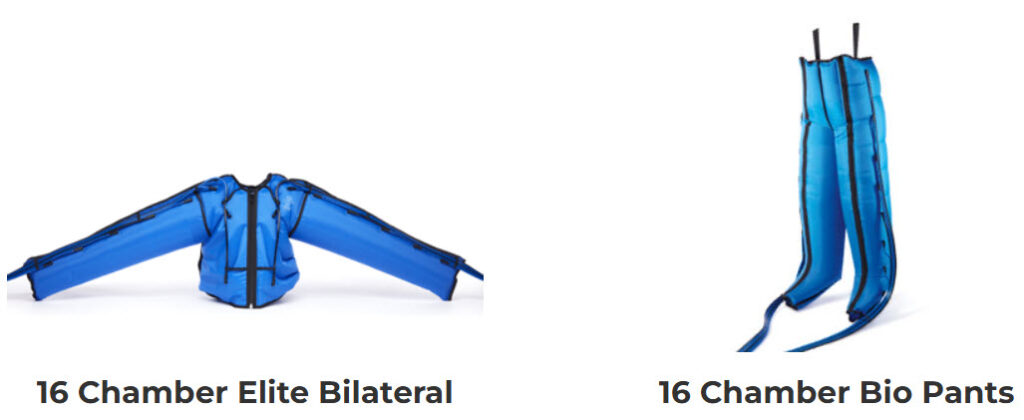
    • Regarding sequence, the inflation pattern may vary depending on the device (e.g. sequential vs. simultaneous inflation). Most are available in programmable models with adjustable settings and cycles. Some include a trunk component (e.g. Flexitouch, LymphaPress, Biocompression) to decongest first before moving to the swollen extremity (as we do in manual lymph drainage). These are used while seated or lying down. Duration is typically 45 minutes to an hour each day (sometimes twice per day depending on your doctor’s recommendation).
    • Compression can be administered in an intermittent manner (compression is delivered at intervals or cycles, mimicking muscle contractions) or in a gradient (applying compression in a gradually reducing manner, with higher pressures distally & lower pressures proximally). When intermittent, there’s an inflation phase (i.e. “muscle contraction” pushing blood or fluid upward or proximally) followed by a deflation phase (i.e. “muscle relaxation” allowing refilling). Even this has variances: For example, some pumps have cycles allowing distal chambers to relax while a proximal chamber contracts (this can cause backflow). Other pumps or cycles maintain distal compression while the next chamber contracts.

Models:

1. single-chamber pumps – the entire sleeve inflates and deflates as one unit
2. sequential pumps – chambers inflate in a sequence from distal to proximal
3. advanced gradient pumps – chambers inflate sequentially and stay inflated until the cycle ends to prevent fluid backflow.

Examples of Devices:

  • SCDs (Sequential Compression Devices)
  • AIROS 6 and 8
  • Flexitouch
  • Lympha Press
  • Biocompression 3004

Bio Compression Systems, Inc.

2. Non-pneumatic

The next type of compression is non-pneumatic. We’ll pick up that topic next month (with a company located right here in the Dallas, Tx area).

Filed Under: Blog, Treatment Tagged With: compression pump, durable medical equipment, lymphedema pump, lymphedema treatment, pneumatic compression, pump, venous pump

September 1, 2025 By Rebecca Summers, OT, CLT-LANA, CSR

Can You Cheat in Lymphedema? (part 2)

We’re continuing a patient story from last month. (Click here for part 1)

The patient we’ve been following received a daytime CCL 2 sleeve & glove (she also wanted to try a gauntlet). She also received her CCL 1 sleeve & glove which she wanted to try for night use (instead of the recommended protocol of bandaging or a foam sleeve).

What Happened?

Five weeks after getting her daytime sleeve/glove, she had issues with finger swelling & arm refilling. She wasn’t resting well at night either. She stopped using the CCL 1 garment & used the same CCL 2 sleeve at night. When she returned to see me, she seemed angry (with me) for her outcome. When there’s a deviation from the protocol, the outcome will be affected.

I noted the likelihood of using a CCL 2 daytime sleeve/glove at night, especially when sleeping with elbow bent, as contributing to her forearm swelling & worsening fibrosis. While resuming bandaging was the best idea, she was adamant she wasn’t going to do that again. I said the next best option would be to get a nighttime foam sleeve. It should help reduce the forearm fibrosis which would help reduce the swelling. She agreed.

(collaboration with a local garment rep on best night garment in this case)

Intervention

This patient chose to continue wearing her daytime CCL 2 sleeve/glove (23-32 mmHg) before being fit for the night garment. (She hadn’t been re-reduced with bandaging.) That meant, the nighttime garment would likely be bigger than it should be. The fitter tried to compensate for this by decreasing the circumferences. (I had the manufacturer’s local rep do the fitting.)

Outcome

It took several weeks for the nighttime garment to arrive. The patient continued wearing the CCL 2 sleeve & glove during this time. (She did come in for bandaging one session prior to the arrival of the night garment.) The night garment was a little short & a little big, but the patient agreed to try it at night. After a few nights, she felt she was doing well & seeing progress.

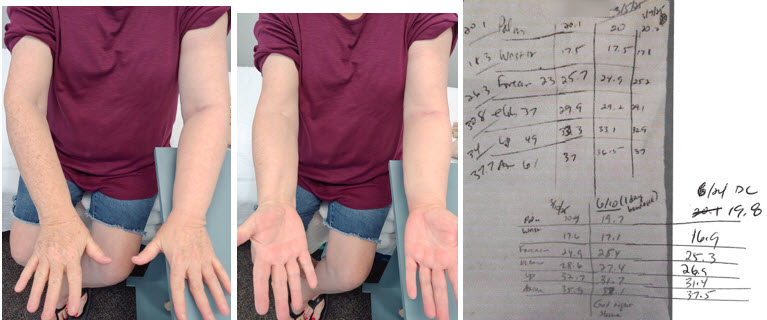
(photo sent by pt after removing the night garment in the morning; she had worn it several nights)

When she returned to see me, she was happy with her status. Because the night sleeve wasn’t quite as long as it could have been (or the patient hadn’t been able to keep it up near the shoulder because it was a too large around the upper arm), there was some refilling around the shoulder. But her other numbers were improved as her fibrosis softened with the chipped foam sleeve.

(final visit after wearing night foam sleeve: volume 26.3 cm)

Can You Cheat the System?

Short answer: No. The protocol for lymphedema treatment exists to maximize the best outcome by softening fibrosis & decongesting tissue. Once this process is complete, a patient is ready for their maintenance day & night garment fitting. They should remain bandaged until both garments are in place.

This patient’s course was prolonged & a bumpy ride to get to her conclusion. But in the end, she was happy with her status. That’s what matters most. Sometimes a patient’s goals aren’t solely to maximize reduction. Convenience or interference with daily routines may trump the “ideal outcome.” It’s important to ask a patient what their goal is & to monitor this goal during the course of therapy as it may change.

Filed Under: Blog, Breast Cancer, Lymphedema Maintenance, Treatment Tagged With: arm lymphedema, breast cancer, lymphedema therapy

  • 1
  • 2
  • 3
  • …
  • 10
  • Next Page »

Quick Links

  • Careers
  • Blog
  • Terms of Use
  • Disclaimer
  • Privacy

Contact Us

309 W. Eldorado Pkwy
Little Elm, Texas 75068-5196
214-422-8265
214-614-9352 fax
info@LTStherapy.com

cropped-Cropped-beach-lts-header.png

[footer_backtotop]

Copyright © 2026 · Lymphedema Therapy Source